Get Roof Flashing Installation in Clarkston, MI
Roof flashing installation services help Clarkston homeowners prevent leaks and water damage by properly sealing roof joints, chimneys, vents, and skylights with skilled local contractors.
Property owners in Clarkston, MI, who are planning roof projects often consider the importance of proper flashing installation to ensure long-term protection against water intrusion. Roof flashing plays a crucial role in sealing joints and vulnerable areas around chimneys, vents, and skylights, helping to prevent leaks and structural damage. Exploring options for professional installation can provide peace of mind that these critical components are handled correctly, supporting the integrity and durability of the roof over time.
For those comparing local service providers, understanding the range of available options can help in making informed decisions about roof flashing installation. Skilled contractors in the Clarkston area offer a variety of solutions tailored to different property types and roofing systems. Continuing to explore these local options can assist property owners in finding experienced professionals equipped to deliver reliable, high-quality work that meets their specific needs.
- Roof Flashing Installation - needed when new roofing is installed to prevent water intrusion around chimneys and vents.
- Roof Flashing Repair - required when existing flashing shows signs of rust, corrosion, or leaks in neighborhoods like Clarkston's historic districts.
- Valley Flashing Replacement - necessary when valleys develop leaks or damage, especially after severe weather in local residential areas.
- Skylight Flashing Installation - important when adding or replacing skylights to ensure a weather-tight seal in homes across nearby communities.
- Step Flashing Installation - needed at roof-wall intersections to prevent water penetration in homes with complex roof designs or additions.
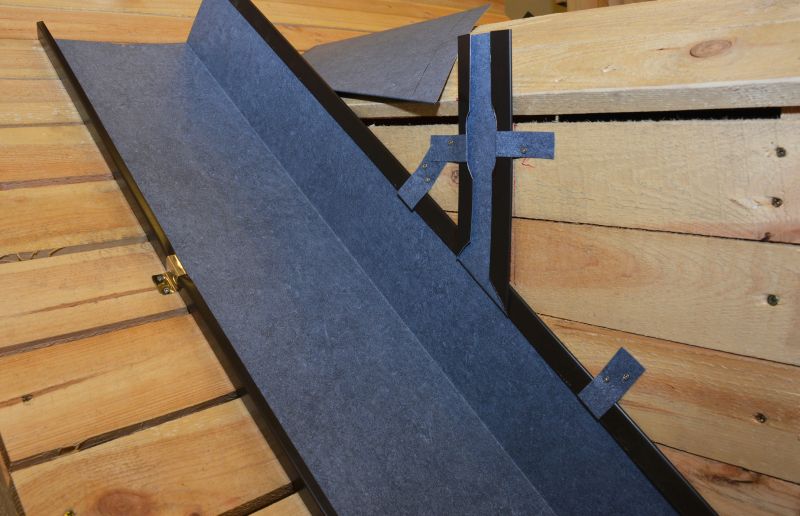

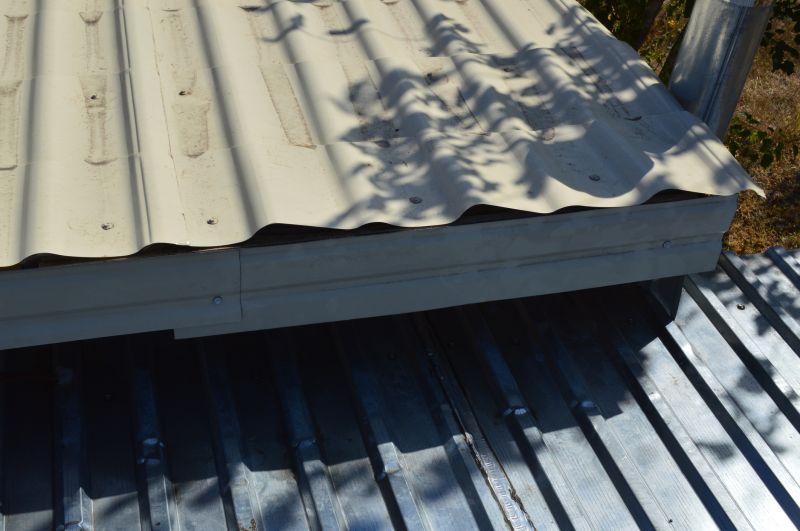
Roof flashing installation services involve placing metal or waterproof materials around critical areas of a roof to prevent water from seeping into the structure. This process typically includes installing flashing around chimneys, vents, skylights, and along roof edges and valleys. Properly installed flashing creates a barrier that directs water away from vulnerable points, helping to protect the roof and the interior of the property from leaks and water damage. Skilled contractors ensure the flashing is correctly fitted and sealed to withstand weather conditions and provide long-lasting protection.
One of the primary problems roof flashing installation addresses is water infiltration. Over time, flashing can become damaged, corroded, or improperly installed, leading to leaks that may cause rot, mold, or structural issues. Additionally, flashing helps prevent drafts and air leaks, which can impact energy efficiency. Property owners who notice water stains on ceilings, peeling paint, or increased heating and cooling costs might find that faulty or missing flashing is part of the problem. Having professional flashing installed or repaired can be an effective way to safeguard the home against costly water damage.
Roof flashing is commonly used on a variety of properties, including single-family homes, townhouses, and small commercial buildings. Homes with complex rooflines, multiple levels, or older roofs are often more susceptible to issues that flashing can help resolve. Properties in areas with heavy rain, snow, or wind are also prime candidates for flashing services, as these weather conditions put additional stress on roof joints and penetrations. Whether it’s a new construction project or an older home needing upgrades, professional contractors can tailor flashing solutions to suit different property types and ensure they remain protected over time.
Homeowners who observe signs of leaks, water stains, or drafts around roof penetrations should consider contacting local service providers for flashing inspection or installation. Proper flashing installation not only enhances the durability of the roof but also helps prevent ongoing water issues that can lead to more extensive repairs down the line. By working with experienced contractors, property owners can ensure that their roofs are properly sealed and protected, maintaining the integrity of the home and avoiding potential damage caused by water intrusion.
The overview below groups typical Roof Flashing Installation projects into broad ranges so you can see how smaller, mid-sized, and larger jobs often compare in Clarkston, MI.
In many markets, a large share of routine jobs stays in the lower and middle ranges, while only a smaller percentage of projects moves into the highest bands when the work is more complex or site conditions are harder than average.
Smaller Repairs - Typical costs for minor roof flashing repairs in Clarkston range from $250 to $600. Many routine fixes fall within this middle range, depending on the extent of the damage and material used.
Partial Replacement - Replacing sections of roof flashing usually costs between $600 and $1,500. Larger, more involved projects tend to push into the higher part of this range, but most projects stay within the middle.
Full Roof Flashing Installation - Complete installation for an average home can range from $1,500 to $3,500. Many local contractors handle projects within this band, with more complex homes potentially reaching higher costs.
Complex or Custom Projects - Larger, more complex roof flashing jobs can exceed $5,000, especially on custom or multi-story buildings. These projects are less common but are handled by experienced local pros when needed.
Actual totals will depend on details like access to the work area, the scope of the project, and the materials selected, so use these as general starting points rather than exact figures.
Chimney Flashing Repairs - professionals who install roof flashing often handle chimney flashing to prevent leaks and water damage around chimney bases.
Roof Leak Detection - identifying the source of leaks requires similar skills in inspecting flashing, roofing materials, and vulnerable areas on a roof.
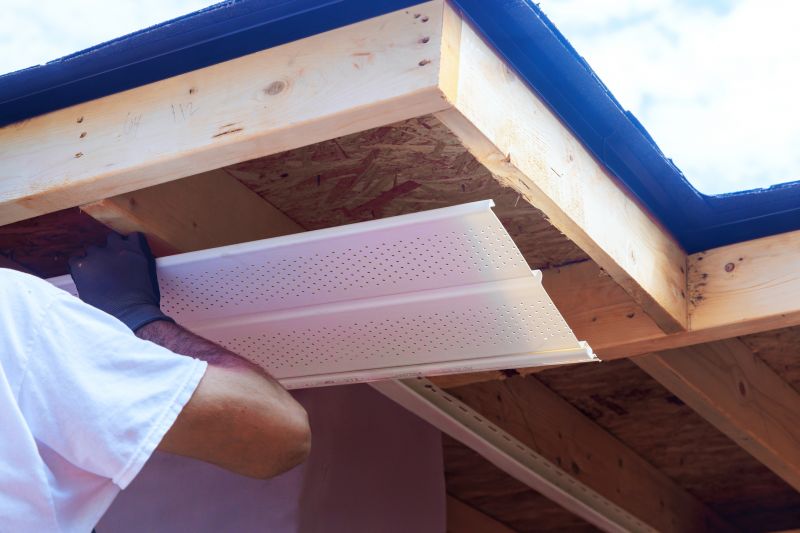
Gutter and Fascia Installation - installing gutters and fascia involves planning and precise work on roof edges, similar to flashing installation techniques.
Skylight Flashing - sealing around skylights involves flashing installation to ensure watertight connections and prevent leaks.
Roof Replacement Projects - comprehensive roof replacements require knowledge of flashing placement and integration with new roofing materials.
Roof Vent Installation - installing roof vents involves planning and sealing around penetrations, sharing skills used in flashing installation.
When evaluating contractors for roof flashing installation, it's important to consider their experience with similar projects. Homeowners should inquire about how long local contractors have been working on roof flashing and whether they have handled projects comparable in size and complexity. An experienced service provider will be familiar with different roofing materials and techniques, which can contribute to a more effective and durable installation. Gathering details about their previous work can help ensure that the contractor understands the specific requirements of roof flashing and can deliver results that meet the homeowner’s expectations.
Clear and detailed written expectations are essential when choosing a local contractor for roof flashing services. Homeowners should seek out providers who can offer a comprehensive explanation of the scope of work, including the materials to be used, the installation process, and any necessary preparations or follow-up steps. Having these details in writing helps prevent misunderstandings and provides a reference point throughout the project. It also allows homeowners to compare different service providers more effectively, ensuring that everyone is on the same page regarding what the job entails.
Reputable references and good communication are key indicators of a reliable service provider. Homeowners should ask for references from past clients who had similar work done, and follow up to learn about their experiences. This can reveal insights into the contractor’s professionalism, timeliness, and quality of work. Additionally, effective communication-such as prompt responses to questions and clear explanations-can make the entire process smoother. When choosing local contractors for roof flashing installation, it’s beneficial to prioritize those who demonstrate transparency, responsiveness, and a track record of satisfied clients, as these qualities often reflect their commitment to quality work and customer service.
Property owners in Clarkston, MI use Roof Flashing Installation services for practical projects around their homes and businesses. This guide focuses on everyday jobs and straightforward project options.
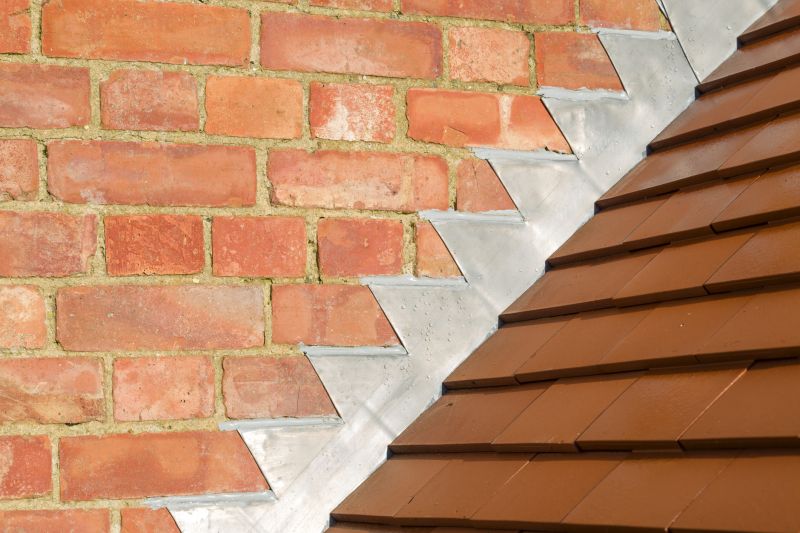
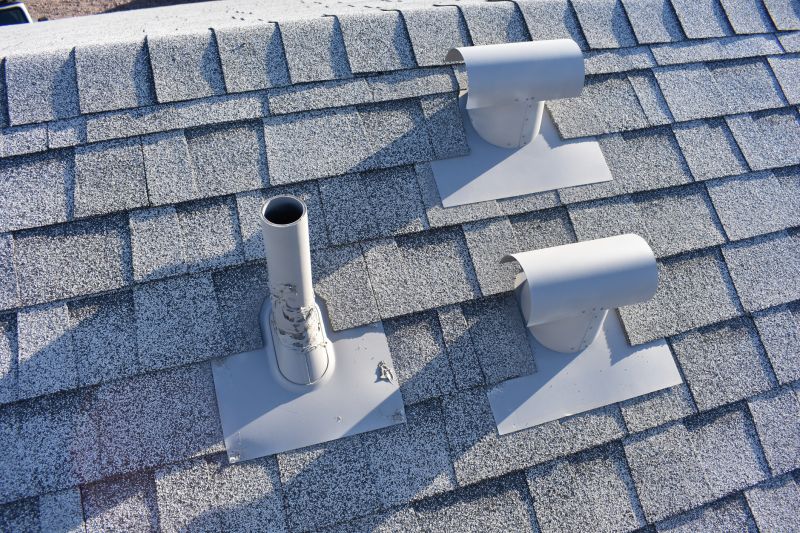
Roof flashing installation is a common project for property owners in Clarkston, MI who are dealing with leaks or water intrusion around roof joints, chimneys, or vents. Over time, weather exposure can cause existing flashing to loosen or deteriorate, leading to potential damage inside the home. Local contractors can assess these issues and provide the necessary flashing repairs or replacements to help prevent further water-related problems, especially after heavy storms or seasonal changes.
Homeowners may also seek flashing installation when constructing new roofs or making significant updates to their properties. Properly installed flashing helps ensure that roof penetrations and edges are sealed against moisture, which is crucial in maintaining the integrity of the roof structure. Service providers in the area can handle these tasks efficiently, providing solutions that help protect homes from water damage and extend the lifespan of roofing systems.
What is roof flashing and why is it important? Roof flashing is a material installed around roof features like chimneys, vents, and valleys to prevent water from seeping into the building. Proper flashing helps protect the roof structure and interior from water damage.
How do local contractors install roof flashing? Contractors typically assess the roof area, select suitable flashing materials, and carefully install them around roof penetrations and edges to ensure a watertight seal.
What types of roof flashing are commonly used? Common types include metal flashing (such as aluminum, copper, or galvanized steel), plastic, and rubberized materials, each suited for different roof types and conditions.
Can roof flashing be repaired or does it need replacement? Repairs are possible if the flashing is minorly damaged or corroded, but extensive damage or deterioration often requires replacement to maintain effective water protection.
How can I find qualified local contractors for roof flashing installation? The website can help connect homeowners with experienced service providers in the area who specialize in roof flashing and other roofing services.
Prevent Water Damage - Proper roof flashing installation helps keep rainwater from seeping into the home, protecting ceilings and walls.
Improve Roof Durability - Quality flashing can extend the lifespan of roofing materials by preventing leaks and corrosion.
Enhance Weather Resistance - Service providers can ensure flashing is properly sealed around vents, chimneys, and skylights for better weather protection.
Maintain Structural Integrity - Local contractors can help reinforce areas where flashing is worn or damaged, supporting the overall stability of the roof.
If you are thinking about Roof Flashing Installation for a property in Clarkston, MI, this guide is meant to help you understand the work, the typical project types, and how different options might fit your plans.
When you are ready, you can use the quote form on this page to share a few details about your project. From there, local pros can review the basics and respond with options that match what you have in mind.